

How to glue Chlorosulfonated polyethylene (CSP/CSM rubber)
How to glue Chlorosulfonated polyethylene (KSP rubber)/Chlorosulfonated Polyethylene (CSM rubber)
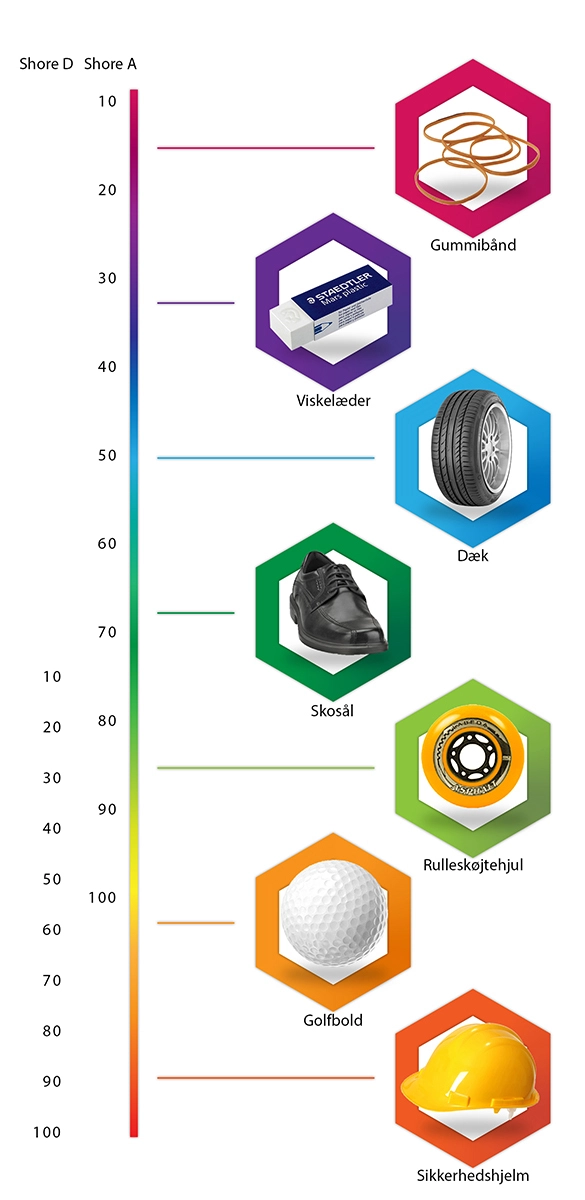
The general properties of CSM include its chemical resistance (especially to oxygen, oil, and ozone), tensile strength, and low-temperature properties. CSM’s chemical resistance is far superior to that of neoprene and nitrile rubbers. The polymer’s highly polar backbone makes it especially suitable for non-polar environments. CSM is stronger than silicone and EPDM, as illustrated by the high tensile strengths achieved with CSM without high filler levels. The properties of CSM depend greatly on chlorine content. With increasing chlorine content, heat resistance, low-temperature flexibility, and electrical resistance decrease. Ozone resistance also decreases, but the effect is less than for the properties mentioned. Conversely, flame-retardant and oil-resistant properties increase with higher chlorine content. CSM’s electrical properties are better than most elastomers, but not as good as EPDM. Other notable properties of CSM are its excellent radiation resistance and color stability.
Chlorosulfonated polyethylene (CSM) is widely used in various applications. Industrially, CSM is used in hoses and as coatings due to its resistance to chemicals and abrasion. CSM is also used in products such as vapor seals and roof membranes due to its ability to withstand ozone, UV light, and other environmental influences, ensuring long-lasting durability and reliability.
For chlorosulfonated polyethylene (CSM), surface tension typically ranges from 28 to 32 dyn/cm.
HYPALON is a brand name and refers to a product series of chlorosulfonated polyethylene (CSM).
Gluing
Ensure that the CSM surface is clean and free of dirt, oil, grease, or other contaminants. Use a non-greasing cleaner.
CSM can be a challenging plastic type, and in many cases (depending on strength requirements), it is recommended to treat the surface with a primer or corona/plasma treatment before gluing.
Choice of CSM Adhesive
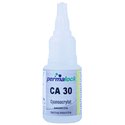
- Cyanoacrylate adhesive is generally fast-curing and provides strong bonding on smooth surfaces, but CSM’s surface often requires special preparation to ensure reliable and long-lasting adhesion.
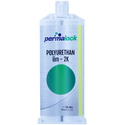
- 2-component polyurethane adhesive is a very good solution for bonding KSP/CSM, as the adhesive is flexible, fast-curing, and has good adhesion.
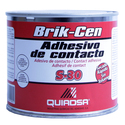
- Some types of contact adhesives are also suitable. However, the gluing process is rarely practical on a production line, as adhesive must be applied to both parts, and curing time is often too long. The adhesive’s temperature resistance is lower than that of cyanoacrylate and polyurethane adhesives.
Follow the manufacturer’s instructions carefully regarding application and curing time.
After gluing, the bond strength should be tested, especially if it is to be used in critical applications.
Manufacturers
CSM is known under the brand name Hypalon, developed and marketed by DuPont Performance Elastomers.
Contact us
Do you have questions about bonding or need advice on choosing the right adhesive for your application? Our experts are ready to help you achieve reliable and durable bonding.
We offer solutions with adhesive products that are tailored to meet your specific needs.
Contact us today for professional advice and support.
Call us at +45 66171802 to speak directly with one of our specialists, or send us an email at info@hojstrup.dk.
We ensure that you receive the best guidance and support for your bonding projects.